



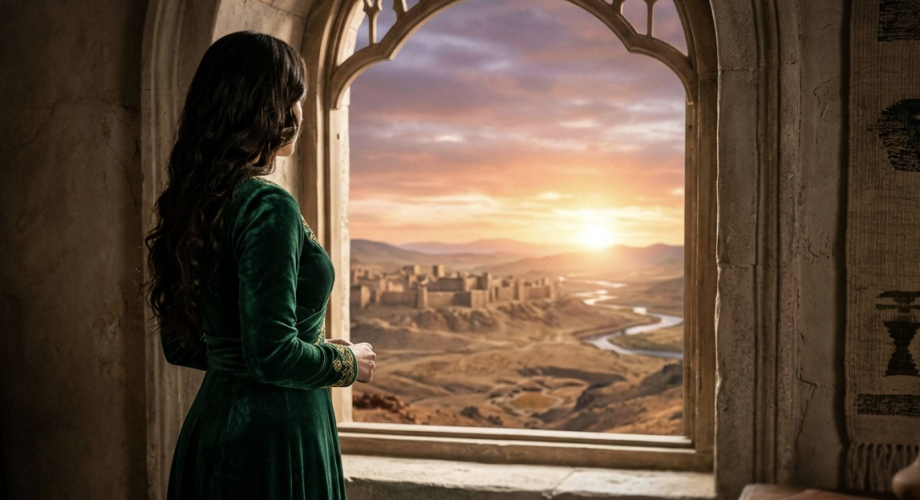
For many of us, the story of Esther is a favorite because of the "girl power" and the royal aesthetic. We love the idea of a hidden orphan rising to the throne "for such a time as this." But when we pull back the royal tapestry, we see something much deeper than a historical drama.
Esther is a "type" of Christ—a shadow cast by the Light of the World before He arrived on the scene. From the three-day fast to the ultimate defeat of the enemy, the patterns between Esther’s rescue of the Jews and Jesus’ rescue of humanity are breathtaking.
When Esther realized her people were marked for destruction, she didn't rush into the throne room immediately. She asked the Jews to fast and pray with her for three days and three nights.
In biblical symbolism, "three days" is almost always a signal of transition from death to life. Just as Esther and her people sat in the shadow of death for three days before she approached the King, Jesus lay in the tomb for three days. Both Esther and Jesus emerged after that third day to bring a message of hope and life to a people who thought they were lost.
A pivotal moment in the story occurs when the King decides to publicly honor Mordecai. Haman, in his pride, suggests that the man the King desires to honor should be dressed in royal robes and led through the city on the King’s own horse.
This strikingly mirrors Jesus’ Triumphal Entry into Jerusalem. While Mordecai rode a royal horse and Jesus rode a humble donkey, the message was the same: the King’s favor was being publicly declared. Just as the people shouted for Mordecai, the crowds shouted "Hosanna" for Jesus. In both stories, this moment of public honor served as a catalyst that infuriated the enemy and set the stage for the ultimate victory.
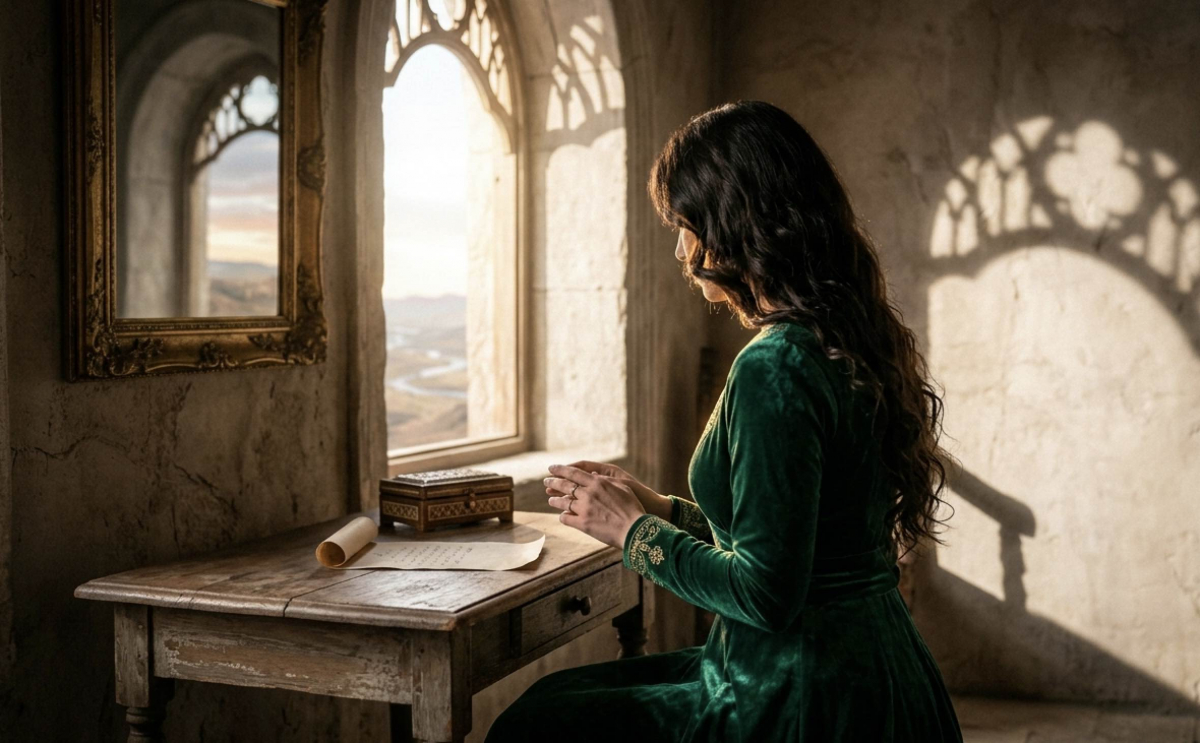
Haman serves as a clear picture of the enemy, Satan. In his arrogance, Haman built a seventy-five-foot pole, intending to impale Mordecai on it. He thought he was winning. He thought he had the power of life and death in his hands.
This is exactly what occurred at Calvary. Satan believed that by putting Jesus on a "pole"—the Cross—he had finally defeated the Seed of the Woman. But the Bible tells us that the Cross was actually the place of Satan’s undoing.
In a divine reversal, Haman was the one who ended up on the very pole he built for Mordecai. Similarly, through the Cross, Jesus "disarmed the powers and authorities" and "made a public spectacle of them, triumphing over them by the cross" (Colossians 2:15). The weapon meant for the righteous man became the instrument of the enemy’s destruction.
After Haman’s fall, the King gave his signet ring to Mordecai. He told Esther and Mordecai to write a new decree—whatever they wished—and seal it with his ring, meaning it could never be revoked.
This is a beautiful picture of the Great Commission and the authority of Christ. Just as the King gave Mordecai the authority to write a new law of life to override the law of death, God gave all authority in heaven and on earth to Jesus (Matthew 28:18).
Mordecai’s secretaries were gathered to write the decree in every language of the provinces so that everyone could understand the good news. This foreshadows the disciples and the writers of the New Testament, who took the Gospel and wrote it down for every tribe, tongue, and nation. We now live under a new decree of grace that overrides the decree of death brought by sin.
To this day, the Jewish people celebrate Purim to remember how their mourning was turned into dancing. As Christians, we celebrate Easter for the same reason. Both holidays are about a miraculous deliverance from a death sentence.
The impact of Esther’s bravery was so great that many people in the provinces actually became Jews themselves because they saw the favor of God on them. Today, we carry that same "favor." With Christ living in us, we have the power and authority of the Kingdom.
Even the final details of the story point to the end of times. Mordecai defeated Haman's ten sons, echoing the prophecy in Revelation 17 where ten kings rise to power for a short time only to be defeated by the Lamb.
Esther’s story reminds us that we serve a God who works behind the scenes to turn the enemy's plans upside down. Whether you are facing a "Haman" in your own life or simply need to be reminded of the New Decree written over your soul, remember: the King has extended His scepter. You are saved, you are favored, and you are living in the victory of the Resurrected King.
Reflection Question: How does seeing Jesus in the story of Esther change the way you view your own "impossible" situations?