



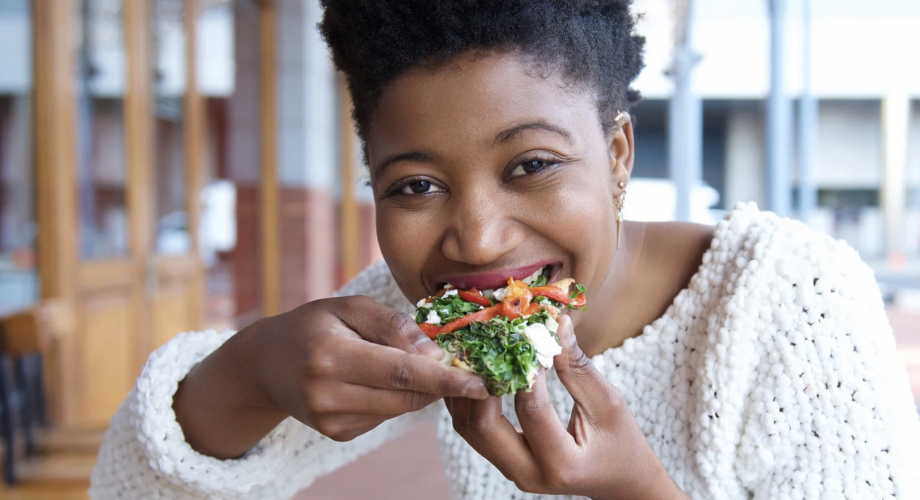
Dieting has been framed as misery for so long that it’s no wonder people feel defeated before they even begin. But here’s something encouraging: it doesn’t have to be that way. It really doesn’t. Eating well does not require tiny plates, constant guilt, or a life spent saying no. It is entirely possible to eat generously, enjoy dessert, and feel strong at the same time. The problem has never been the person at the table; it’s been the story they were told about food. A better narrative is gaining ground, one that’s rooted in timing, awareness, and respect for the body as opposed to punishment. And, believe it or not, this isn’t a new idea. Scripture points to the same freedom and balance:
“So whether you eat or drink or whatever you do, do it all for the glory of God.” — 1 Corinthians 10:31
Hunger is not bad. Hunger is information. In other words, your body gets hungry for a reason, because it is your internal alert system saying, “Hey, I’m ready to work with you.” When you ignore it for too long, things get “weird”. You eat too fast. You overshoot. You feel uncomfortable and disappointed. Sound familiar?
But here’s the better move. Let yourself get hungry. Not shaky. Not dizzy. Just hungry. Then eat until you are satisfied. Not stuffed. Not in pain. Just satisfied. This sounds simple, and that’s the point. When you eat at the right moment, your brain is calmer, and your taste buds wake up. You notice food again and you stop eating when the signal switches from “yes” to “enough.”
No obsession. No extremes. Just timing—and everything shifts.
Have you ever thought of it like charging your phone? You don’t wait until it’s dead for three days, and you don’t keep it plugged in forever either. You charge when it needs it, and when you eat this way, something surprising happens; your body learns to trust you.
When this process takes place, it shows up as better energy and better focus. In other words, when you eat at the right times and stop when satisfied, blood sugar stays steadier and stress hormones drop, so the body doesn’t need to store extra energy or stay on high alert.
Essentially, you stabilize it through nutrition, and that stability helps cells use energy more efficiently, which supports better focus, mood, and overall performance. Note however, that the word “trust” is intentional here; it’s used because the body judges reliability through repeated patterns. What this means is that when it receives enough food at consistent times, hunger and stress signals calm down, showing the body it doesn’t need to conserve energy or overreact when food appears.
Many people have absorbed the idea that strength is built through denial and that discipline is proven by how often we say no. It sounds noble, even virtuous. But the way God designed the human body points in another direction. Strength does not come from running on empty. It comes from being reliably supplied.
When the body receives what it needs, consistently and without fear, something important happens. Stress recedes. Energy returns. The constant mental noise around food quiets down. Instead of bracing for scarcity, the system relaxes—and in that state, it functions better. We see this not only in physiology, but in daily life: people make clearer decisions, experience steadier moods, and regain a sense of agency.
In other words, discipline is not the same as deprivation. True discipline creates the conditions for flourishing. And flourishing, whether physical or spiritual, is almost always the result of wise provision, not relentless refusal.
“They ate and were satisfied,
and their strength was renewed.”
— Nehemiah 9:25
Satisfaction doesn’t point to excess, but completion. It’s basically the signal that the system has what it needs. In this sense, eating well is an act of provision, not permissiveness. And provision, especially when it is consistent, creates the conditions for strength to be rebuilt. This is true not only biologically, but morally and spiritually as well: systems flourish when they are supplied with what they actually need.
What you eat first matters more than most people think.
Start savory. Always, because savory foods tell your brain, “A real meal is happening” and that’s what calms cravings.
If you want bulky meals, prioritize protein and foods that fill space without loading calories. Think squash. Lentils. Beans. Eggplant. These side foods take time to chew and they stretch the stomach gently. To give a quick idea of how low in calories they are: 100 g of raw butternut squash has about 45 calories, 100 g of raw zucchini only 17, and 100 g of pumpkin comes in around 26.
Of course, protein is especially important as it is the signal for repair and strength. It helps you feel full longer, supports muscle, which supports confidence, posture, and the way you move through the world.
But let’s touch on something really mind-blowing: seasons, and seasonal food. The alignment between the body’s needs and the foods that appear at different times of year is quite remarkable. In colder months, roots and legumes offer warmth and steady energy. In warmer months, lighter fruits and vegetables hydrate and refresh. If you pay attention, you’ll often notice that your cravings follow this same rhythm, as though the body remembers something the modern world encourages us to forget.
Human beings evolved in relationship with the land, not with grocery aisles that look identical twelve months a year. Seasonal eating reconnects us to that older wisdom. Food tastes better, costs less, and tends to match what the body is actually asking for.
Scripture frames this rhythm not as coincidence, but as design:
“There is a time for everything,
and a season for every activity under the heavens.”
— Ecclesiastes 3:1
When we eat with the seasons, we’re not chasing trends or rules, but simply participating in a pattern that honors timing, provision, and the limits that make life flourish.
And here’s a very delicious treat: chocolate at the end of a meal can be a good thing. Yes, really. A small piece of dark chocolate after you’re already satisfied (or even up to 70g) can improve mood, support heart health, and signal closure. It says, “The meal is done” and it reduces the urge to hunt for more sweets later.
Processed foods are designed to hit all the right taste triggers, which is why it’s so easy to keep eating even after you’re full. Ingredients like sugar, refined flour, salt, and certain fats are highly engineered to make the brain respond with pleasure and reward, nudging you to eat more. Additives like flavor enhancers, syrups, and emulsifiers keep your appetite engaged longer than natural foods do. However, the solution is not never. It’s rarely. This means that you can enjoy chips sometimes. No panic. No guilt. Just don’t make it a daily thing. Make it an event, not a habit. Now flip that logic for movement.
Movement must be daily. But here’s the relief: it does not always have to be intense. Twenty minutes counts. A walk counts. Stretching counts. Even dancing in your room counts. Daily movement regulates appetite, it also improves mood and reduces anxiety. It helps you sleep and it teaches your brain that your body is a source of joy, not judgment. As you might have guessed, it’s all connected: the right food, the right timing, and a little daily movement make everything else easier. You do not need to live in deficit to be healthy. You need timing and attention. You need meals that satisfy and movement that shows up every day.
And remember this: food was never meant to be a test of virtue or willpower. It was given as provision and as a gift.
“You bring forth food from the earth…
wine that gladdens human hearts,
oil to make their faces shine,
and bread that sustains their hearts.”
— Psalm 104:14–15
Food nourishes. Food satisfies. Food brings joy. When received with awareness and gratitude, it fulfills exactly what God intended it for—sustaining the body and delighting the heart at the same time.

Jennifer Dee is a former musician turned freelance writer. Her passion for music lay mainly in songwriting and now she uses her love of words in her daily work. Outside of writing, she is actively involved with her local church, enjoys European travel & crime novels.