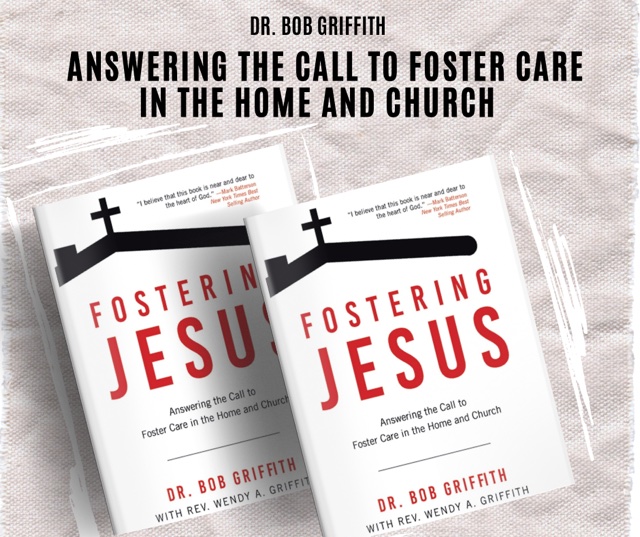
Why Fostering Jesus—Robert Griffiths Latest Book—Is the Calling You Didn’t See Coming
We’ve all been there. You reach that stage of life where the house finally feels settled. The "baby gear" has been cleared out of the garage, the kids are gaining independence, and for the first time in years, your schedule belongs to you again. You’re in the "sweet spot" of life and ministry—comfortable, established, and complete.
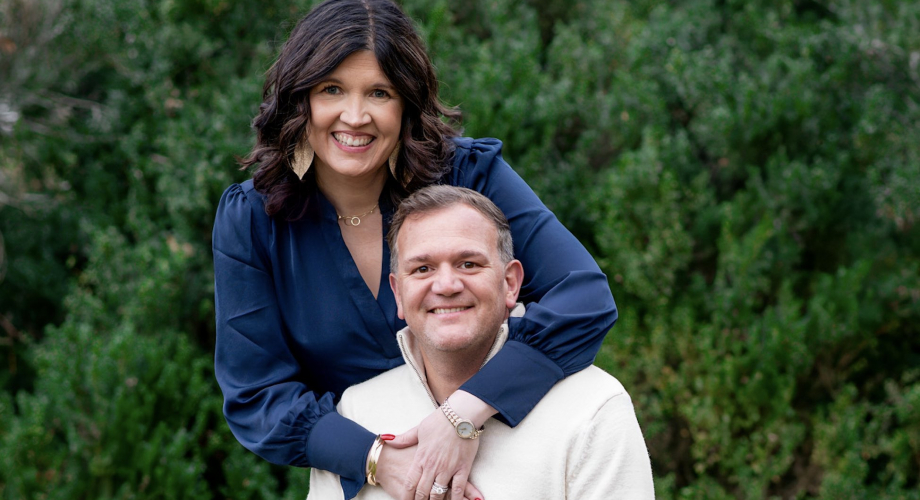
That was exactly the scene for Wendy and Robert Griffith, authors of Fostering Jesus. With two biological daughters and a son adopted through a private process, they were a happy family of five. They were busy in ministry, serving their church in Wisconsin, and feeling like they had finally checked all the boxes.
But then, God whispered a question that stripped away the comfort: “What is the season you are in right now that you can never get back?”
The answer was immediate: The season of being a mom with kids still at home. The directive that followed was even more startling: “You can do one more.”
The Myth of the "Super-Parent"
When we hear the words "foster care," many of us instinctively tighten up. We think of the emotional toll, the intrusive paperwork, or the fear that we aren't "holy enough" or "strong enough" to handle a child with a traumatic past. We assume foster parents are a rare breed of "super-Christians" with infinite patience and bottomless bank accounts.
In his book, Fostering Jesus, Robert Griffith, DMin., pulls back the curtain on these misconceptions. He is refreshingly honest about his own initial resistance. He didn’t have a "lightning bolt" moment of compassion like Wendy did. Instead, he had questions: How will this fit our budget? Do we have enough bedrooms? How will this impact our own children?
What Robert and Wendy discovered is that God doesn’t call the equipped; He equips the available. Foster care isn’t about being a perfect parent; it’s about being a willing parent.
"I believe that’s what love is," Wendy says. "That your heart truly is big enough to take a piece of it and give it to a child—even for a period of time—and that will impact their life forever."
The 20-Minute Whirlwind
Unlike biological pregnancy, there are no nine months of preparation in foster care. There are no nesting periods or curated nurseries. For the Griffiths, the "yes" resulted in a phone call about a seven-week-old baby girl. She arrived on their doorstep 20 minutes later with nothing but the clothes on her back. No diaper bag, no formula, no roadmap.
This is the raw, beautiful reality of the mission field in our own zip codes. But it’s also where the Church becomes the Church. While most "new moms" get baby showers, foster moms live in the "right now." This is a call to action for the Milk & Honey community. Robert and Wendy found that when one family says "yes" to a child, a dozen other families can say "yes" to that family. In the foster world, this is called Respite Care. It’s the "support squad" that drops off a box of diapers, brings over a lasagna, or watches the kids so a foster mom can finally grab a quiet shower or a nap. You don’t have to foster to be a hero; you just have to be a friend to those who do.
The "Landing Strip" Mentality
The most common reason people shy away from fostering is the fear of the "goodbye." We tell ourselves, “I could never do it; I’d get too attached.” The Griffiths argue that "too attached" is exactly what these children need. In Fostering Jesus, they share how they reframed the ending for their biological children. Instead of viewing a child’s departure as a tragic loss, they treated it as a successful mission.
When a child in their care was able to be reunited with their biological parents, the Griffiths threw a party. They had cake, pizza, and celebrations. They taught their children that their home was a "landing strip"—a safe, warm place for a child to rest and heal before their next journey. They weren't "losing" a sibling; they were "winning" for a family being put back together.
Pure Religion in Your Own Backyard
We often look across the globe when we think of "orphans," but James 1:27 tells us that "pure religion" is to care for the fatherless right where we are. Robert discovered that foster children were attending his church every Sunday—he just hadn't "seen" them yet because they weren't labeled.
By leading by example, the Griffiths’ personal "yes" became a catalyst. Eventually, the county notified them that 30% of all foster families in the entire county were members of their local church. One family’s willingness to be "inconvenienced" by love sparked a movement that nearly wiped out the local waiting list.
If you feel that same nudge but don't know where to start, Robert highly recommends an organization called Backyard Orphans. They specialize in training local churches how to effectively serve foster families in every county in America. For the volunteer who wishes their church could do more but needs a roadmap, Backyard Orphans provides the tools to turn a willing congregation into a powerhouse of support for children in need.
Is There Room at Your Table?
As many mothers navigate the years of "full" houses and busy schedules—it is easy to close the door and enjoy the peace we’ve worked so hard for. But Robert and Wendy’s story challenges us to look at our dinner tables one more time.
Whether you are called to open your front door to a new placement or simply to be the woman who carries the "Welcome Home" backpack to a neighbor’s house, you are doing more than just social work. As the book title suggests, you are Fostering Jesus.
When we welcome the "least of these," we are welcoming Him. And that is a season of life that—no matter how messy it gets—you will never regret.
Ways You Can Help Today:
Pick up Robert Griffith’s book Fostering Jesus